
menu
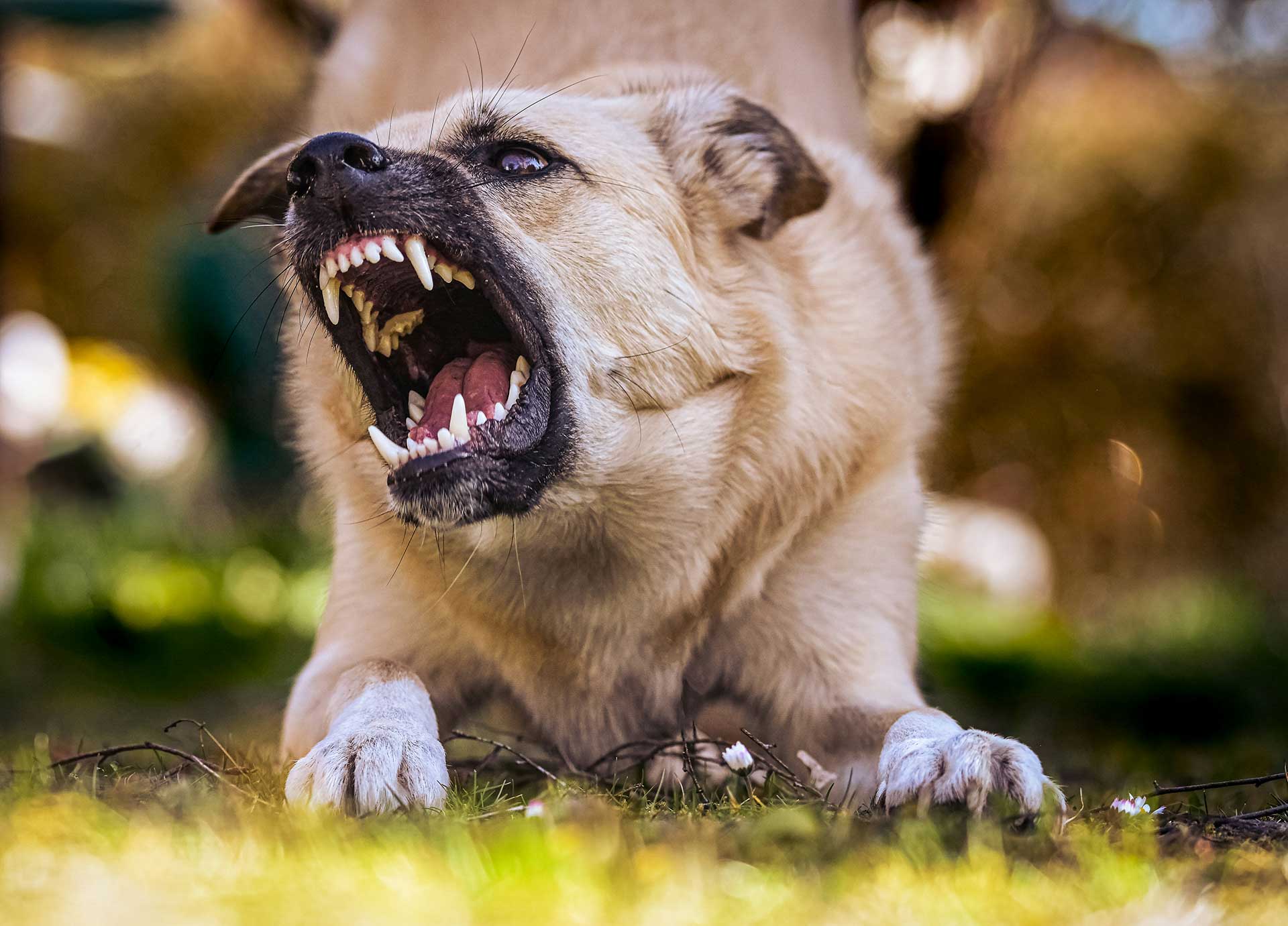

For hundreds of years, the rabies virus, Lyssavirus rabies, has been feared by the public because of the high mortality rate associated with the disease it causes.
Unfortunately, this virus is still wreaking havoc in Quebec, with a resurgence of rabies cases, particularly in the Estrie and Montérégie regions, in recent years. Normally, this rhabdovirus mainly infects mammals other than humans.
In the context of Quebec, examples include bats, raccoons, foxes, skunks, and coyotes. Humans are actually accidental hosts of the virus, and the majority of transmissions occur among wild animals. However, the increase in rabies cases among wildlife also means a rise in infections involving pets—and, consequently, humans.
In fact, this zoonotic disease causes the deaths of more than 50,000 people each year worldwide.
Any rabies infection begins when the bodily fluids of an infected animal—which contain viral particles—come into contact with the mucous membranes of a new host. This interaction often occurs through a bite that breaks the skin barrier, but is not limited to this; the virus can also be transmitted through scratches, pre-existing wounds, or aerosols.
The virus present in the saliva of a rabid animal thus enters the tissues of its new victim. It remains in the muscle cells at the site of the bite for a few days before continuing its journey through the animal’s nerves. It is here that its slow but certain ascent toward the brain begins.
In fact, once the virus has taken refuge in nerve tissue, it becomes inaccessible to the immune system and can progress unchecked. The duration of its journey can range from a few weeks to a year, with an average duration of 3 to 8 weeks, depending on the species.
In dogs, the incubation period is generally 21 to 80 days, and in cats, 28 to 42 days. Once the virus has reached its target, it takes 2 to 3 days for it to be present in all of the animal’s bodily secretions. It is at this stage that the newly infected animal becomes contagious and symptomatic, which, unfortunately, also marks the start of the 10-day countdown leading to its death. Rabies, caused by this neurotropic virus, is an encephalomyelitis that is fatal once symptoms appear, as treatment is virtually impossible for a symptomatic patient.
Several symptoms may be observed in infected individuals; however, it is important to keep in mind that diagnosing this disease is very complicated, since the clinical signs are often difficult to recognize.
Here's what you'd typically expect:
Within the first 2 to 3 days after symptoms begin, a change in behavior and a change in the voice caused by spasms of the larynx are observed.
Within the next 1 to 7 days, the animal no longer shows any fear and begins to experiencehallucinations. This is what many refer to as the “extreme rage” phase, but many animals do not go through this phase.
Within the next 2 to 4 days, weakness and paralysis develop, particularly in the larynx, which prevents the animal from swallowing and causes excessive salivation and foaming at the mouth.
The animal eventually dies when its respiratory muscles are completely paralyzed. It is at this stage that most bites occur.
If you or your pet is bitten by an animal whose rabies status is unknown, you should wash the bite with soap and water. This helps remove some viral particles from the wound. The length of the virus’s incubation period—that is, the time it takes to reach the brain—depends heavily on the number of viral particles and how close the wound is to the head. It is therefore important not to skip this step!
In addition, all animal bites must be reported to local health authorities. Contact your veterinarian as soon as possible to seek advice and schedule an appointment. According to protocol, the veterinarian will generally recommend a rabies vaccine as soon as possible after the bite, as well as booster shots 3 and 8 weeks after the bite— regardless of whether your pet’s vaccinations are up to date or not! The animal must also be strictly isolated for 90 days to eliminate any risk of transmission if it turns out to be infected. The rationale behind this protocol is that by the time the virus is ready to infect the brain, a significant immune response is already in place; the viral particles are then neutralized, and clinical signs do not appear.
An effective way to prevent rabies infection for you and your pet is to be careful! Make sure your pets—dogs and cats—are properly vaccinated. Some rabies vaccines are valid for 1 year, while others are valid for 3 years. Check your pets’ vaccination status! The rabies vaccine should be part of every pet’s core vaccination schedule!
If you encounter a wild animal while out in nature, keep your distance and do not try to feed, touch, capture, or move it. Keep your dog on a leash and your cats indoors or under supervision.
If you see an animal such as a raccoon, skunk, or fox that appears aggressive, disoriented, or paralyzed, do not move it, as this can help spread the disease, and report it immediately to the government at 1-877-346-6763 or via the online form on Quebec.ca.


