
menu
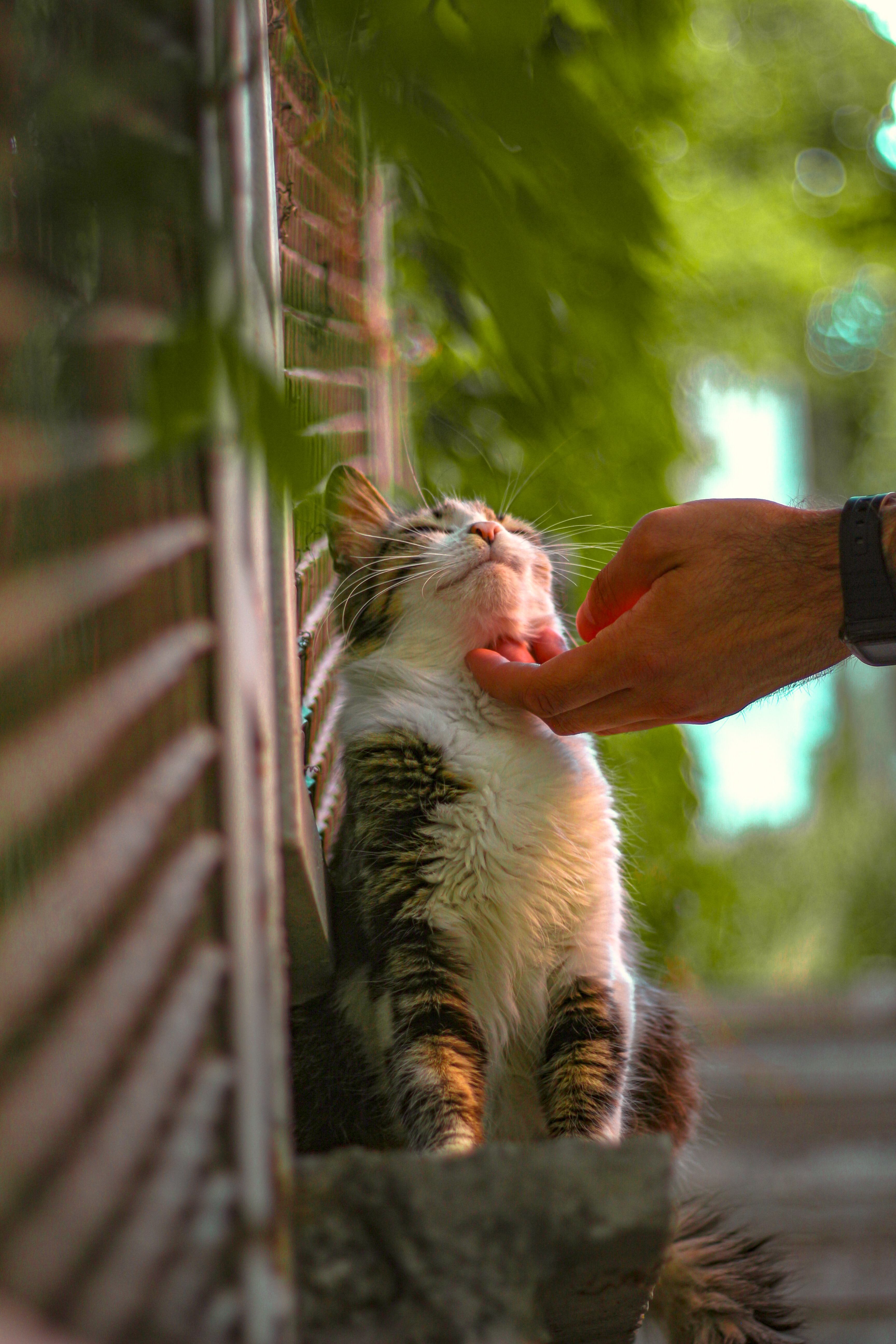

In Quebec, it’s not uncommon to have hot summers with temperatures reaching 30 °C. With the climate changes of recent years, summers don’t seem to be getting cooler… on the contrary, they seem to be getting hotter! As a result, we’re experiencing longer heat waves and seeing the risk of heatstroke skyrocket—for both humans and animals!
Heatstroke is a severe form of hyperthermia in which the body can no longer effectively regulate its temperature. In dogs, the normal body temperature is around 38.5 °C, while in cats, it is around 38.0 °C. A temperature above 40.5 °C is particularly concerning and constitutes a medical emergency. At this point, the body is no longer able to meet its own oxygen needs and begins to suffer cellular damage.
The severity of the damage depends heavily on the duration and intensity of hyperthermia, but if the situation is not addressed quickly, it could potentially lead to the failure of several, if not all, organs, and even death.
Heatstroke most often occurs when an animal—usually a dog—is left in a vehicle without adequate ventilation. However, contrary to popular belief, a dog left in a car on cooler days is not necessarily safe from heatstroke, even with a window slightly open. In fact, did you know that the temperature inside a vehicle that is fully or partially exposed to the sun can rise by more than 20 °C in less than an hour, even when the outside temperature seems moderate? A window lowered just a few centimeters is simply not enough to provide adequate ventilation.
However, this is far from the only scenario that can lead to hyperthermia in an animal. For example, heatstroke can occur when an animal is left outside in hot, humid weather without enough shade, or when it exercises in direct sunlight. While these scenarios most often apply to our canine companions, cats can also suffer from hyperthermia.
For our cats that go outdoors, the situations in which heatstroke can occur are essentially the same as for dogs. As for indoor cats, they are not entirely free from risk either, even when sheltered inside a home. Take, for example, a third-floor apartment with no air conditioning and no fan. A cat might have difficulty dissipating its body heat there—unfortunately, especially if it’s prone to overheating. Several predisposing factors exist that make certain animals more susceptible to the harmful effects of heat on hot days. These include obesity, age (very young and elderly animals), respiratory diseases, heart conditions, and short-nosed (brachycephalic) breeds such as bulldogs, pugs, boxers, Boston terriers, Persians, etc.
At first, when the body temperature has just risen above normal, an animal suffering from hyperthermia will pant excessively and appear anxious and very uncomfortable. As its body temperature continues to rise, it will begin to drool excessively and, sometimes, have a runny nose. It may also lose its balance and have difficulty standing due to lethargy and sudden fatigue. In addition to its elevated respiratory rate, its heart rate will also be faster than normal. The mucous membranes, particularly the gums, often take on a bluish or very bright red hue —a sign of low oxygen levels—and may feel sticky or dry, indicating dehydration. The animal may also vomit!
The saying “prevention is better than cure” is of paramount importance when it comes to heatstroke. To keep your pet safe during the summer, especially on hot days, it is essential to consistently provide your pet with a source of fresh water and a place out of direct sunlight, as well as to limit the duration of its physical activity.
It’s essential to always keep an eye on your pet to monitor its physical condition so you can take action if you notice anything unusual. Furthermore, it goes without saying that you shouldavoid leaving your cat or dog in a vehicle, even if the day looks like it’s going to be cloudy!
Now, if—despite your precautions—your pet shows signs of hyperthermia, here are a few ways to help him.
First, move your pet away from the heat and place it in a cool, shaded area, and point a fan toward it. Immediately usecool water to cool it down by wetting its belly, paws, and ears. Using a fan helps the water on the skin’s surface evaporate more quickly, which carries heat away.
However, please note thatice-cold water is not recommended, as it causes vasoconstriction, which reduces heat loss through the skin. Additionally, water that is too cold can be uncomfortable for the animal and may therefore stimulate heat production. A skin temperature between 22 and 28 °C is considered optimal for promoting cooling.
Avoid covering your pet with wet towels, as this only traps heat, or forcing water into your pet's mouth, as it could choke or aspirate the water.
If your pet is alert enough to drink, you can offer small sips of cool water, keeping an eye on how much water he drinks. Giving too much water too quickly can cause bloating or lead to vomiting.
If possible, you can also take your pet's rectal temperature.
Ideally, take your pet to the nearest veterinary clinic or emergency center as soon as possible. In cases of severe hyperthermia—that is, when the body temperature has exceeded 41 °C—oxygen administration and intravenous infusion of isotonic solutions may be necessary to support vital functions. Even if the animal appears to be doing better after being cooled, it must be examined promptly by a veterinarian, as serious complications (coagulation disorders, kidney failure, neurological or digestive problems) can develop several hours after the episode.


